

If you need a full roof replacement under an existing solar array, plan on the panels being powered down, detached, stored, and reinstalled after the new roof goes on. That adds a per-panel labor cost on top of the roofing bill, but bundling the two projects into one coordinated job usually beats paying for two separate mobilizations later. The key is naming one party in writing who owns scheduling, permits, and the post-reinstall test before any panel comes off the rack.
TL;DR:
- Removing and reinstalling solar panels adds approximately $200 to $500 per panel, which can total up to $4,800 for a 15-panel system before roofing costs.
- The process requires a staged approach: inspection, shutdown, roof replacement, reinstallation with new hardware, and system testing before returning to service.
- Roof age critically influences decisions; replacing a roof before solar installation is advised if the roof has less than 10 to 15 years of life remaining.
- Coordinating through a single contractor simplifies permitting, warranty management, and avoids delays or damages caused by miscommunication.
- Homeowners should demand detailed written scope, equipment inventory, storage plans, and clear responsibilities before work begins.
Table of Contents
- Solar Panels Roof Replacement: The Full Process, Step by Step
- How Much Does It Cost to Replace a Roof With Solar Panels?
- Should I Replace My Roof Before or After Installing Solar?
- Who Coordinates Roof Work When Solar Panels Are Involved?
- Your Pre-Project Checklist Before Signing a Contract
- Why Trust This Guidance on Roofing and Solar Coordination
- What Homeowners Consistently Get Wrong Here
- Get a Coordinated Roof and Solar Plan From Exteriorgenie
- Where to Verify These Numbers Yourself
- Sources
- FAQ
Solar Panels Roof Replacement: The Full Process, Step by Step
Nobody should tear off shingles with a live 300-pound array bolted to the decking. Every reputable job follows a five-stage sequence, and skipping a stage is how homeowners end up with voided warranties or a roof that leaks around the old lag bolts.
1. Inspect and plan. A joint walkthrough documents the current condition of the panels, racking, and wiring before anyone touches a tool. This is also when permits get pulled and someone is named as the point of contact between the roofing crew and the solar crew.
2. Shut down and remove. A licensed solar technician de-energizes the system, disconnects the inverter, and unbolts the panels and racking. Panels get labeled and stored somewhere dry and protected from wind, since a cracked panel here becomes a warranty argument later.
3. Roof replacement. With the roof clear, the crew tears off old material, inspects the decking for rot or soft spots (common under long-installed arrays where moisture collects), and installs new underlayment and flashing.
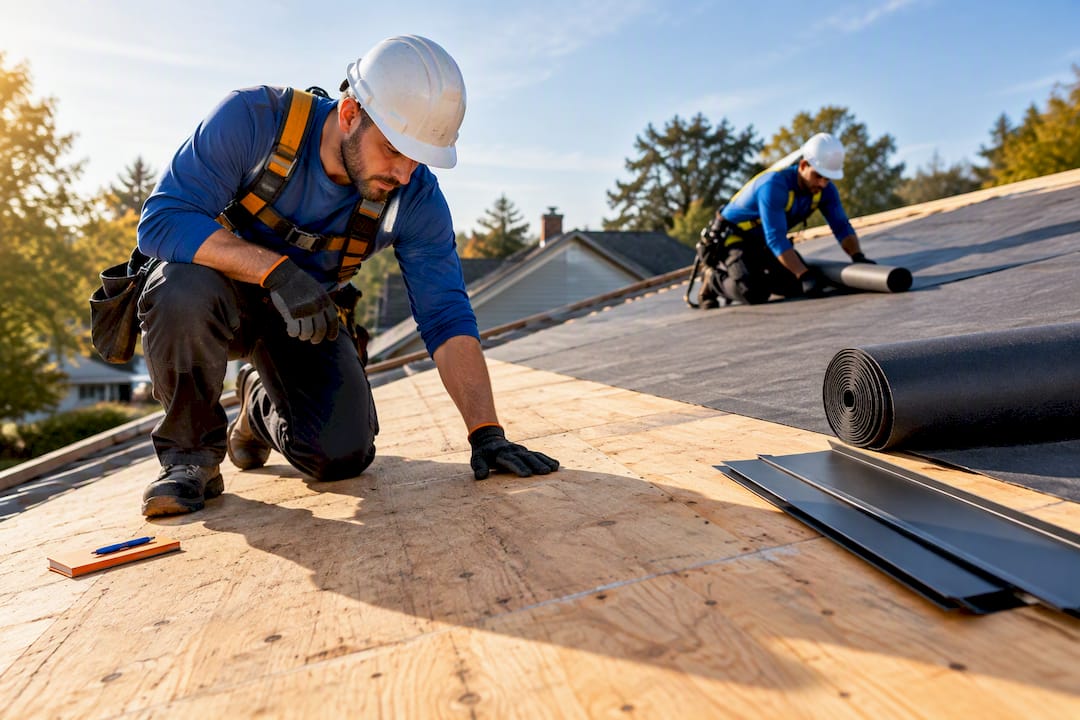
4. Reinstall. New flashing and mounting hardware go in around the old lag bolt penetrations, the array gets remounted, and the electrical team reconnects wiring and the inverter.
5. Recommission and inspect. The system gets functionally tested, production is verified against pre-removal baselines, and in many jurisdictions the utility or local building department signs off before the system goes live again.
This staged approach mirrors what solar and roofing specialists recommend for any re-roof under an existing array: inspect and plan, shut down and remove, replace the roof, reinstall, then inspect and restart.
A few practical details make or break this process:
- Panels typically need advance notice for shutdown scheduling with your utility.
- Storage should be indoors or under cover. Panels left leaning against a fence in a storm are a liability nobody wants to own.
- Reinstallation should always include new flashing, not a reuse of the old penetrations, since old seals are a common source of post-project leaks.
Pro Tip: Ask your roofing contractor for a written inventory count of panels, racking, and hardware before removal, and match it against the same count at reinstall. It takes ten minutes and it's the easiest way to catch a missing or swapped part before it becomes a dispute.
How Much Does It Cost to Replace a Roof With Solar Panels?
Budget for two line items: the detach-and-reset labor for the panels, and the roofing job itself. Detach-and-reset pricing commonly runs $200 to $500 per panel, which puts a typical 15-panel residential system at roughly $2,800 to $4,800 just for removal and reinstallation. A larger 20-panel system can push past $6,000 for that step alone before a single shingle is replaced.
Cost snapshot: Detach-and-reset labor alone runs about $200 to $500 per panel. A combined roof-plus-solar project on a medium-size home can land around $40,000 total before incentives, depending on system size and roof material.
Roofing costs on top of that vary heavily by material. Asphalt shingles are the least expensive option per square, while metal or tile roofing costs more upfront but tends to last longer, which matters if you're weighing whether to replace under solar again in another decade. Steep pitches, multiple roof planes, and extensive decking repair all push labor costs higher regardless of material.
Line items homeowners often forget to ask about:
- New flashing and mounting hardware at every panel penetration point.
- Scaffolding or lift rental if the roof pitch or height requires it.
- Temporary storage fees if panels need to sit somewhere secure for more than a day or two.
- A contingency line for decking damage discovered once the old panels and shingles come off. It's common, not rare.
The upside: combining the roof and solar work into one project removes the future cost of removing panels again for a second roofing job down the line, since you're not paying two separate mobilization fees for two separate crews on two separate timelines.
Should I Replace My Roof Before or After Installing Solar?
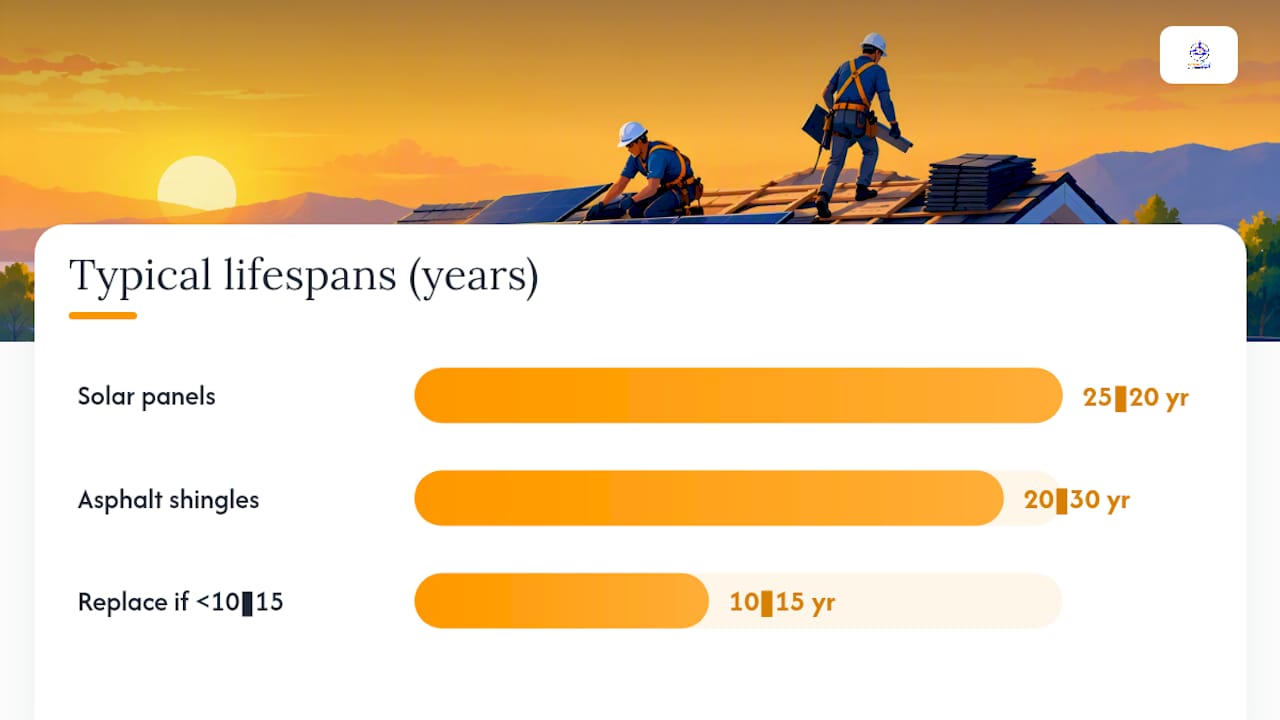
Roof age is the deciding factor, and the math is simple. If your roof has less than 10 to 15 years of service life left, replace it before or alongside the solar installation rather than after. Solar panels typically last 25 to 30 years, which is longer than most asphalt shingle roofs, generally rated for 20 to 30 years depending on climate and material quality. Put a new panel system on a roof that's already 15 years old, and you're all but guaranteed to remove that array for a re-roof sometime in the next decade.
A few situations change the calculation:
- Asphalt shingles nearing 15 to 20 years old: replace now, before solar goes on, to avoid a near-term removal cycle.
- Metal or tile roofing under 10 years old: likely fine to install solar without a near-term roof concern, since those materials often outlast the panels themselves.
- Roof under manufacturer warranty with documented recent replacement: solar installation alone is usually the right move, no roofing work needed.
One tax detail trips people up. The Residential Clean Energy Credit covers qualified solar electric property, but ordinary roofing materials, shingles, decking, underlayment, don't qualify just because solar sits on top of them. Solar roofing tiles or shingles that generate electricity and serve as the roofing surface itself are a different story and can qualify for the credit. If your contractor is pitching solar shingles instead of a rack-mounted array, ask specifically how that distinction affects your credit eligibility before signing anything.
Who Coordinates Roof Work When Solar Panels Are Involved?
A single contractor who manages both the roofing and the panel handling is almost always the smoother path for smoother coordination and better results, as explained in our Roofer SEO Services | Be First Choice & Win More Projects partner resource. When two separate companies split the job with no clear handoff, you're the one stuck mediating when the roofer blames the solar crew for a delay, or the solar crew blames the roofer for a bent rail.
- Define one project coordinator in writing. This person owns scheduling, communicates with the utility, and signs off at each stage.
- Confirm who pulls permits. Roofing permits and any required electrical or utility interconnection paperwork may come from different offices, and reinstallation can trigger a reinspection requirement in some jurisdictions.
- Get warranty terms in writing before removal starts. Manufacturer warranties on panels and inverters often specify who is authorized to disconnect and remount the system without voiding coverage. Installer workmanship warranties can have similar language.
- Check ownership status if the system is leased or under a power purchase agreement. Third-party owners typically must approve any removal in advance and may require their own authorized crew to handle the disconnect and reinstall, not whoever you hire for the roof.
Pro Tip: Industry sources consistently recommend getting written responsibilities for permits, storage, and post-reinstall testing before work starts, since this is the single most common source of disputes between roofing and solar contractors. Getting that in writing up front protects you more than any verbal assurance ever will.
Your Pre-Project Checklist Before Signing a Contract
Before you sign anything, get these items spelled out on paper, not promised over the phone.
Require in the contract:
- A written scope split showing exactly what the roofing crew handles versus the solar crew.
- An itemized equipment inventory (panel count, racking, inverter, wiring) signed off before removal.
- A documented storage plan and location for panels during the roofing work.
- A firm schedule with contingency days built in for weather or decking repairs.
- Written acceptance criteria for what "recommissioned and verified" actually means.
Ask every contractor these seven questions:
- Who is the single point of contact coordinating both crews?
- Who files the permits, and who handles any required reinspection?
- Who pays if a panel or piece of racking is damaged during removal?
- Where exactly will the panels be stored, and for how long?
- Does this work affect my manufacturer or installer warranty?
- Can I get an itemized cost breakdown, not just one lump total?
- How will you verify the system is producing correctly after reinstall?
A bid that's dramatically lower than others, vague about storage, or silent on warranty language is worth a second look before you sign.
Why Trust This Guidance on Roofing and Solar Coordination
Exteriorgenie is a veteran-owned general contractor and an Owens Corning Platinum Preferred Contractor, a distinction held by a small share of contractors nationally. Our HAAG-certified inspectors handle storm damage and insurance claims work daily, and our five-star reviews reflect projects completed on schedule and to spec. For more on what a standard tear-off and decking inspection involves, see our roof replacement process guide.
What Homeowners Consistently Get Wrong Here
The mistake I see most often isn't the cost. It's homeowners assuming their roofer and their solar installer will "figure it out" between themselves. They usually don't, and the gap between the two crews is exactly where warranties get voided and panels get damaged. Insist on one written scope, one documented equipment count, and one functional test after reinstall before you consider the job done. Get separate bids for removal and roofing if you want, but never separate accountability.
— Ebben
Get a Coordinated Roof and Solar Plan From Exteriorgenie
Splitting a roof replacement between two contractors who've never worked together is how homeowners end up mediating disputes over a cracked panel or a missed permit. Exteriorgenie handles the coordination piece directly, one team managing the roofing scope, the insurance claims assistance if storm damage is involved, and the scheduling handoffs that solar reinstallation requires, backed by HAAG-certified inspectors and Owens Corning Platinum Preferred certification.

If your roof is nearing the 10 to 15 year mark and you've got panels on it already, don't let two separate contractors guess at who owns what. Whether you need a straightforward roof repair assessment first or a full residential roof replacement planned around your existing array, request an on-site estimate through our full services page and get a written scope before any panel comes off the roof.
Where to Verify These Numbers Yourself
For policy and lifespan details straight from the source, check the Department of Energy's guidance on roofing and solar and the IRS Residential Clean Energy Credit FAQ for current eligibility rules.
Sources
FAQ
How Much Extra Does It Cost to Replace a Roof With Solar Panels?
Expect an added $200 to $500 per panel for detach-and-reset labor on top of your roofing quote. For a 15-panel system, that's roughly $2,800 to $4,800 in additional cost before the roofing material and labor are factored in.
What Happens to My Solar Panels If I Need to Replace My Roof?
A licensed technician powers down the system, removes the panels and racking, and stores them safely until the new roof is complete. They're then reinstalled with fresh flashing and hardware, and the system is tested and recommissioned before it's reconnected to the grid.
How Much Does a Tesla Solar Roof Cost for a 2,000 Square Foot Home?
Solar roof tile pricing varies significantly by manufacturer, roof complexity, and local labor rates, and current pricing isn't publicly standardized enough to quote a reliable figure here. Get quotes directly from installers licensed to work with that specific product for an accurate number.
What Is the Downside of Solar Panels on a Roof?
The main downside is added complexity and cost whenever the roof underneath needs work, since panels must be removed and reinstalled rather than roofed around. Choosing a roof material with a lifespan that matches your panels, and coordinating both projects under one contractor, minimizes that friction significantly.
Does the Solar Tax Credit Cover My Roof Replacement?
Generally, no. The Residential Clean Energy Credit covers qualified solar electric equipment, not standard roofing materials like shingles or decking, even when solar panels sit directly on top of them. Solar roofing tiles or shingles that generate electricity and serve as the roof surface itself are treated differently and may qualify.