
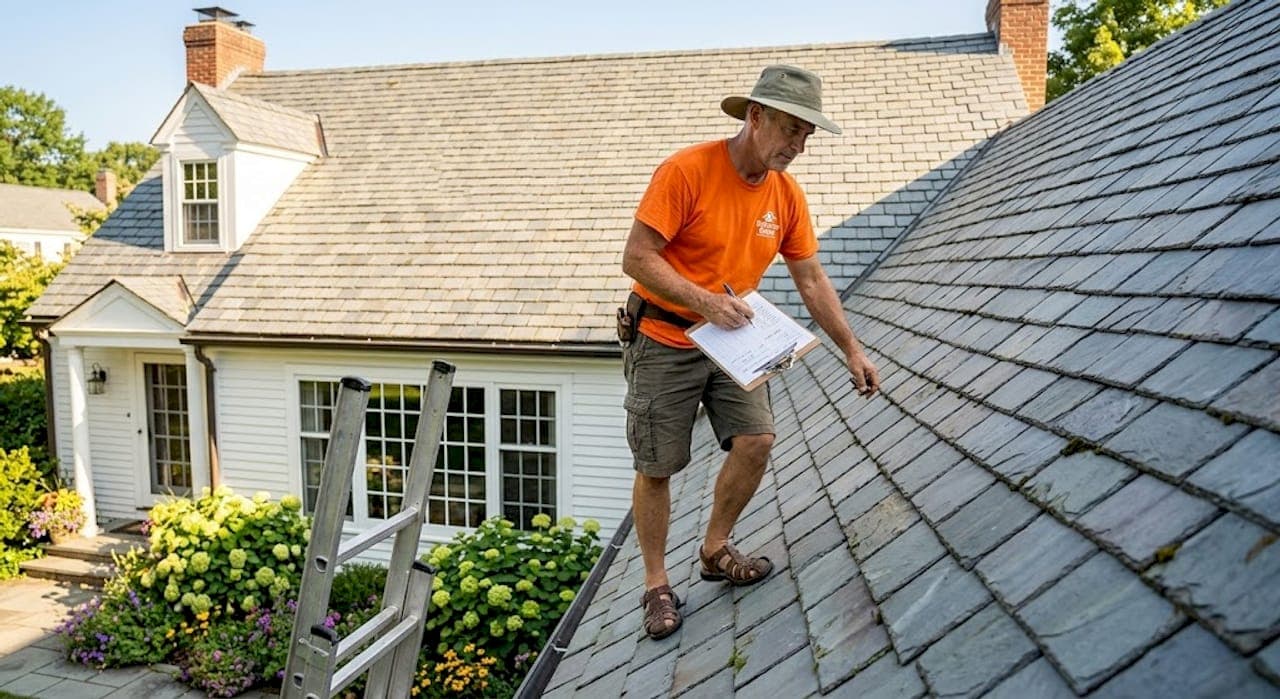
Your roof is one of the most expensive components of your home, and the material you choose will affect your energy bills, insurance premiums, and maintenance costs for decades. Understanding the different types of residential roofing materials before you commit to a replacement or new installation can save you thousands of dollars and years of regret. Roofing material choice involves balancing appearance, service life, cost, and structural compatibility, and not every roof can support every material. This guide walks you through every major option so you can make a confident, informed decision.
Table of Contents
- Key takeaways
- 1. 3-tab asphalt shingles
- 2. Architectural asphalt shingles
- 3. Class 4 impact-resistant asphalt shingles
- 4. Standing seam metal roofing
- 5. Exposed fastener metal roofing
- 6. Clay and concrete tile roofing
- 7. Natural and synthetic slate roofing
- 8. Flat and low-slope roofing membranes
- 9. Choosing the right material for your home
- My honest take after 25 years of roofing
- Ready to choose the right roof for your home?
- FAQ
Key takeaways
| Point | Details |
|---|---|
| No single best material | The right choice depends on your climate, budget, home structure, and how long you plan to stay. |
| Lifespan varies widely | Asphalt shingles last 15 to 30 years; metal and tile can last 50 to 100+ years. |
| Weight matters more than you think | Clay tile, slate, and concrete require a structural assessment before installation on older homes. |
| Flat roofs need membrane systems | TPO, EPDM, and modified bitumen are purpose-built for low-slope applications, not standard shingles. |
| Cost is not just upfront | A cheaper material that needs replacement in 15 years often costs more over time than a pricier 50-year option. |
1. 3-tab asphalt shingles
3-tab shingles are the most affordable roofing option for pitched residential roofs. They are thin, flat, and uniform in appearance, giving homes a clean but basic look. The tradeoff for that lower price is a shorter lifespan. 3-tab shingles typically last 15 to 20 years, making them a reasonable choice if you are on a tight budget or plan to sell the home within the next decade.
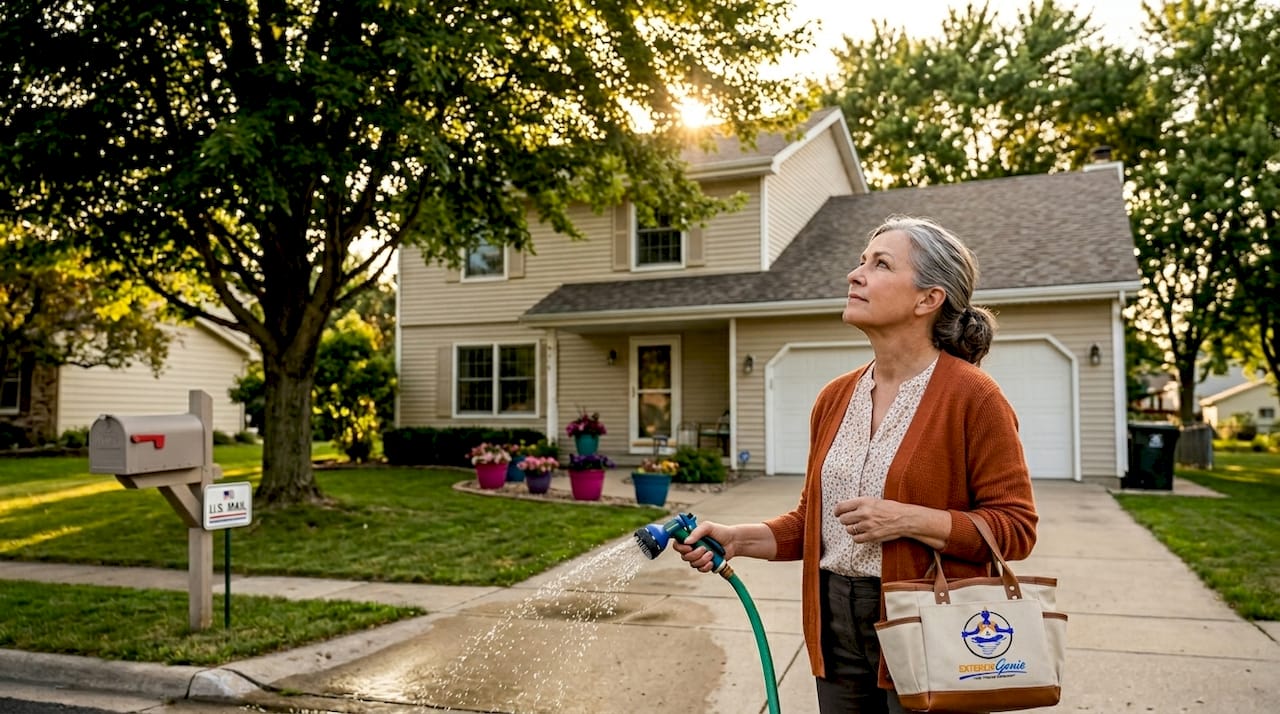
They perform adequately in mild climates but struggle in areas with frequent high winds or hail. If you are in South Carolina and dealing with storm seasons, 3-tab shingles may require more frequent repairs. For budget-conscious homeowners who still want reliable coverage, pairing them with quality underlayment and proper ventilation extends their service life noticeably.
2. Architectural asphalt shingles
Architectural shingles, also called dimensional shingles, are the most popular residential roofing choice in the United States today. They are thicker and layered, which gives them a textured, multi-dimensional look that mimics wood shake or slate at a fraction of the cost. They also perform better. Architectural shingles last roughly 25 to 30 years and carry stronger wind and impact ratings than their 3-tab counterparts.
Beyond aesthetics, architectural shingles are selected for performance. Manufacturers engineer them with wind and hail resistance in mind, which affects both longevity and insurance eligibility. Many insurance carriers offer discounts for homes with higher-rated shingles, so the upgrade from 3-tab often pays for itself faster than homeowners expect.
Pro Tip: Ask your insurance provider whether upgrading to architectural shingles qualifies you for a premium discount before you finalize your material choice. In hail-prone regions, the savings can offset the cost difference within a few years.
3. Class 4 impact-resistant asphalt shingles
If you live in an area with frequent hail or severe storms, Class 4 impact-resistant shingles are worth the premium. These shingles pass the UL 2218 impact test at the highest rating, meaning they can withstand a two-inch steel ball dropped from 20 feet without cracking. Real-world performance in hailstorms is significantly better than standard shingles. Impact-resistant options last 30 or more years and frequently qualify for substantial insurance discounts.
The upfront cost is higher than standard architectural shingles, but the combination of reduced repair frequency and lower insurance premiums makes them one of the smartest long-term investments in the asphalt shingle category. You can learn more about asphalt shingle options specific to the Lexington, SC area to see which products perform best locally.
4. Standing seam metal roofing
Standing seam is the premium tier of residential metal roofing. Panels run vertically from ridge to eave, and the seams that join them are raised and locked together above the roof surface. There are no exposed fasteners. That design matters because standing seam conceals fasteners, which dramatically reduces the most common source of metal roof leaks over time.
Key features of standing seam metal roofing:
- Lifespan: Metal roofing lasts 40 to 70 years, with standing seam systems reaching the upper end of that range
- Energy efficiency: Reflective coatings reduce heat absorption, lowering cooling costs in hot climates
- Wind resistance: Tested to withstand winds exceeding 140 mph in most systems
- Maintenance: Minimal once installed, though edge flashings and sealants need periodic inspection
The cost is significantly higher than asphalt shingles, typically two to four times more per square foot installed. But for a home you plan to stay in long term, the math often favors metal when you factor in fewer replacements and lower maintenance over 40 years.
Pro Tip: Standing seam requires a minimum roof slope of 1:12. Below that pitch, water movement slows enough to find its way into seams. Always verify slope compatibility before pricing out a standing seam system.
5. Exposed fastener metal roofing
Exposed fastener metal panels, sometimes called corrugated or screw-down panels, are the more affordable side of residential metal roofing. Screws with rubber gaskets penetrate the panel surface and attach directly to the decking. The system installs faster and costs less than standing seam, making it a practical option for outbuildings, garages, and budget-conscious homeowners.
The tradeoff is maintenance. Exposed fastener systems rely on gaskets that degrade over time from UV exposure and thermal cycling. Those gaskets need inspection every five to seven years and replacement as they fail. Skipping that maintenance is how exposed fastener roofs develop leaks that people mistakenly blame on the metal itself.
| Feature | Standing seam | Exposed fastener |
|---|---|---|
| Fastener visibility | Hidden | Visible |
| Leak risk over time | Lower | Higher without maintenance |
| Cost (installed) | Higher | Lower |
| Lifespan | 50 to 70 years | 40 to 50 years |
| Best for | Steep-slope residential | Outbuildings, budget installs |
6. Clay and concrete tile roofing
Clay and concrete tiles are among the most durable roofing options available. Clay and concrete tiles last 50 to 100 years, and in dry climates like the Southwest, clay tile roofs from the early 20th century are still performing today. They are fire-resistant, insect-resistant, and carry a distinctive aesthetic that complements Mediterranean, Spanish, and Southwestern architecture beautifully.
The critical factor most homeowners overlook is weight. Clay tiles weigh 600 to 1,000 pounds per square (100 square feet). Concrete tiles are slightly lighter but still heavy. Older homes often need structural reinforcement before tile installation, which adds to the project cost and timeline. Never skip the structural assessment. A framing engineer's evaluation before you commit to tile can prevent a very expensive surprise mid-project.
Tile also performs poorly in freeze-thaw climates. Water infiltrates the porous surface, freezes, and cracks the tile from the inside. In South Carolina's milder climate, that is less of a concern, but it is worth knowing if you are comparing materials across different regions.
7. Natural and synthetic slate roofing
Natural slate is the longest-lasting roofing material available. Natural slate lasts 75 to 150 years, and some historic buildings carry original slate roofs that are over 200 years old. It is also one of the heaviest and most expensive options, requiring both structural reinforcement and a roofing contractor with specific slate installation experience.
Synthetic slate offers a practical middle ground. Made from rubber, plastic composites, or fiber cement, synthetic slate mimics the look of natural stone without the extreme weight. Synthetic slate typically lasts 40 to 60 years, costs significantly less than natural slate, and works on homes that cannot support the weight of the real material. The appearance is convincing from street level, though purists and historic preservation boards will notice the difference up close.
Key considerations for both slate types:
- Structural load assessment is non-negotiable for natural slate
- Repairs require matching material, which can be difficult with discontinued natural slate varieties
- Synthetic slate is more DIY-friendly for repairs but still benefits from professional installation
- Both options carry excellent fire ratings
8. Flat and low-slope roofing membranes
Standard shingles do not work on flat or low-slope roofs. Water moves too slowly to shed before it finds a seam. Flat and low-slope roofs require purpose-built membrane systems like TPO, EPDM, PVC, modified bitumen, or built-up roofing (BUR).
Here is a quick breakdown of the main options:
- TPO (Thermoplastic Polyolefin): White or light-colored membrane, excellent heat reflectivity, heat-welded seams, lifespan of 15 to 25 years
- EPDM (Ethylene Propylene Diene Monomer): Black rubber membrane, extremely durable, low cost, lifespan of 20 to 30 years
- PVC: Similar to TPO but with added plasticizers, highly resistant to chemicals and grease, good for homes near cooking exhausts
- Modified bitumen: Asphalt-based sheet membrane, torch-applied or self-adhering, lifespan of 15 to 20 years
- BUR (Built-Up Roofing): Multiple layers of asphalt and felt, proven performance, heavier and more labor-intensive
| Material | Lifespan | Relative cost | Best use case |
|---|---|---|---|
| TPO | 15 to 25 years | Moderate | Energy-efficient flat roofs |
| EPDM | 20 to 30 years | Low to moderate | Budget flat roof replacement |
| PVC | 20 to 30 years | Higher | Chemical-resistant applications |
| Modified bitumen | 15 to 20 years | Moderate | Low-slope residential additions |
| BUR | 20 to 30 years | Moderate to high | Heavy-duty flat roof systems |
Drainage is the single most important design factor for flat roofs. Adequate drainage slope of at least one-quarter inch per foot is required to prevent ponding water, which degrades any membrane system over time. You can explore flat roof coating options for homes in Lexington, SC if you have a low-slope section that needs attention.
Pro Tip: If you have a flat roof addition attached to a pitched main roof, make sure the drainage from the pitched section does not dump directly onto the flat membrane. That concentrated water flow accelerates membrane wear at the transition point.
9. Choosing the right material for your home
There is no universally best roofing material. The right choice depends on your climate, budget, how long you plan to stay in the home, your neighborhood's aesthetic rules, and your insurance situation. Average roof replacement costs run about $9,515 nationally, but material choice can push that number significantly higher or lower.
Use this comparison to narrow your options:
| Material | Lifespan | Relative cost | Climate fit | Weight concern |
|---|---|---|---|---|
| 3-tab asphalt | 15 to 20 years | Low | Mild climates | None |
| Architectural asphalt | 25 to 30 years | Low to moderate | Most climates | None |
| Class 4 impact-resistant | 30+ years | Moderate | Storm-prone areas | None |
| Standing seam metal | 50 to 70 years | High | Most climates | Minimal |
| Clay or concrete tile | 50 to 100 years | High | Dry, warm climates | Significant |
| Natural slate | 75 to 150 years | Very high | Most climates | Significant |
| Synthetic slate | 40 to 60 years | Moderate to high | Most climates | Moderate |
| TPO or EPDM membrane | 15 to 30 years | Moderate | Flat roofs only | Minimal |
Before you finalize a material, check these factors:
- Your HOA or neighborhood covenants may restrict color or material type
- Your insurance carrier may offer discounts or require specific ratings
- Your home's framing needs evaluation if you are considering tile or slate
- Your local climate should drive the conversation, not just aesthetics
My honest take after 25 years of roofing
I have seen homeowners make the same mistake repeatedly. They fixate on the upfront price and choose the cheapest option available, then call us back 12 years later wondering why their roof is failing. The math almost never works in favor of the cheapest material when you account for the full replacement cycle.
What I have also seen is the opposite problem. Homeowners in mild climates spend premium money on natural slate or standing seam metal when a quality architectural shingle would have served them just as well for 30 years at half the cost. Matching the material to the actual conditions of your home and your local climate is the skill that separates a smart roofing decision from an expensive one.
The thing that surprises most people I work with is the structural question around tile and slate. They fall in love with the look, get a quote, and then discover their framing needs reinforcement. That adds cost and time they did not budget for. Get the structural assessment done before you get attached to a material. It saves everyone frustration.
My advice: start with your climate and your timeline in the home, then let budget and aesthetics follow. A 50-year roof on a home you plan to sell in seven years is not a smart investment. A 20-year shingle on a forever home is a recurring expense you will regret. The long-term maintenance needs of any roof system matter just as much as the installation cost.
— Ebben
Ready to choose the right roof for your home?
Knowing the options is step one. Getting the right material installed correctly is where the real work happens. Exteriorgenie is a veteran-owned roofing company with 25 years of experience serving homeowners in Lexington, SC. The team works with every major residential roofing material covered in this guide and brings HAAG-certified inspection expertise to every project.
Whether you need a full replacement, a new installation, or help navigating an insurance claim after storm damage, Exteriorgenie offers transparent pricing and 24/7 emergency service. Explore residential roofing services to see the full range of options available for your home, or get started with a roof installation consultation to discuss which material fits your specific situation.
FAQ
What is the most common residential roofing material?
Architectural asphalt shingles are the most widely used residential roofing material in the United States. They offer a strong balance of cost, durability, and appearance, with a lifespan of 25 to 30 years.
Which roof material lasts the longest?
Natural slate lasts 75 to 150 years, making it the longest-lasting residential roofing option. However, it requires structural reinforcement and professional installation, which significantly raises the total project cost.
What is the most affordable roofing type?
3-tab asphalt shingles are the most affordable roofing option for pitched roofs, with the lowest material and installation costs. The tradeoff is a shorter lifespan of 15 to 20 years compared to premium materials.
Can you put shingles on a flat roof?
No. Standard shingles require adequate slope to shed water and will fail on flat or low-slope roofs. Membrane systems like TPO, EPDM, or modified bitumen are the correct choice for flat residential applications.
How do I choose the right roofing material for my home?
Start with your local climate, your home's structural capacity, and how long you plan to stay. Then factor in budget, HOA restrictions, and insurance considerations. There is no single best answer, but aligning those factors narrows the field quickly.