
What's the best time of year to repair your roof?
Fall and spring are the best seasons for roof repair across most of the United States. Asphalt shingles, which cover the majority of American homes, require ambient temperatures between 40°F and 85°F for their self-sealing adhesive strips to bond correctly. Below 40°F, those strips stay dormant and leave shingles vulnerable to wind uplift. Above 85°F, shingles turn pliable and scuff under foot traffic. The National Roofing Contractors Association (NRCA) sets these thresholds as industry consensus standards.
The best repair months by region:
- Northeast and Midwest (Zones 4–6): Late March through May, then September through October. The spring window catches winter damage early; fall locks in repairs before freeze-thaw cycles begin.
- Southeast and Gulf Coast (Zones 1–3): October through March. Summer temperatures above 95°F make asphalt shingle work physically hazardous to workers and mechanically risky to materials, per OSHA heat illness prevention guidelines.
- Pacific Northwest: Spring and early fall, avoiding the rainy season that runs November through February.
- Mountain West: Late May through September, working around late spring snowpack and early fall freezes at elevation.
Contractor demand peaks in September and October nationwide. Scheduling backlogs of several weeks are common during those months, which means a homeowner who waits until October risks getting pushed into November when temperatures start dropping. Book by late July or early August for fall work.
Ideal conditions for scheduling any repair:
- Ambient temperature between 40°F and 85°F
- No rain forecast within a 4-hour window
- Dry substrate (no moisture trapped under the existing surface)
- Stable weather pattern expected for at least 48 hours post-installation
Seasonal maintenance tasks that support smart repair timing
Proactive maintenance does two things: it catches problems while they're cheap to fix, and it keeps your repair window flexible instead of forced.
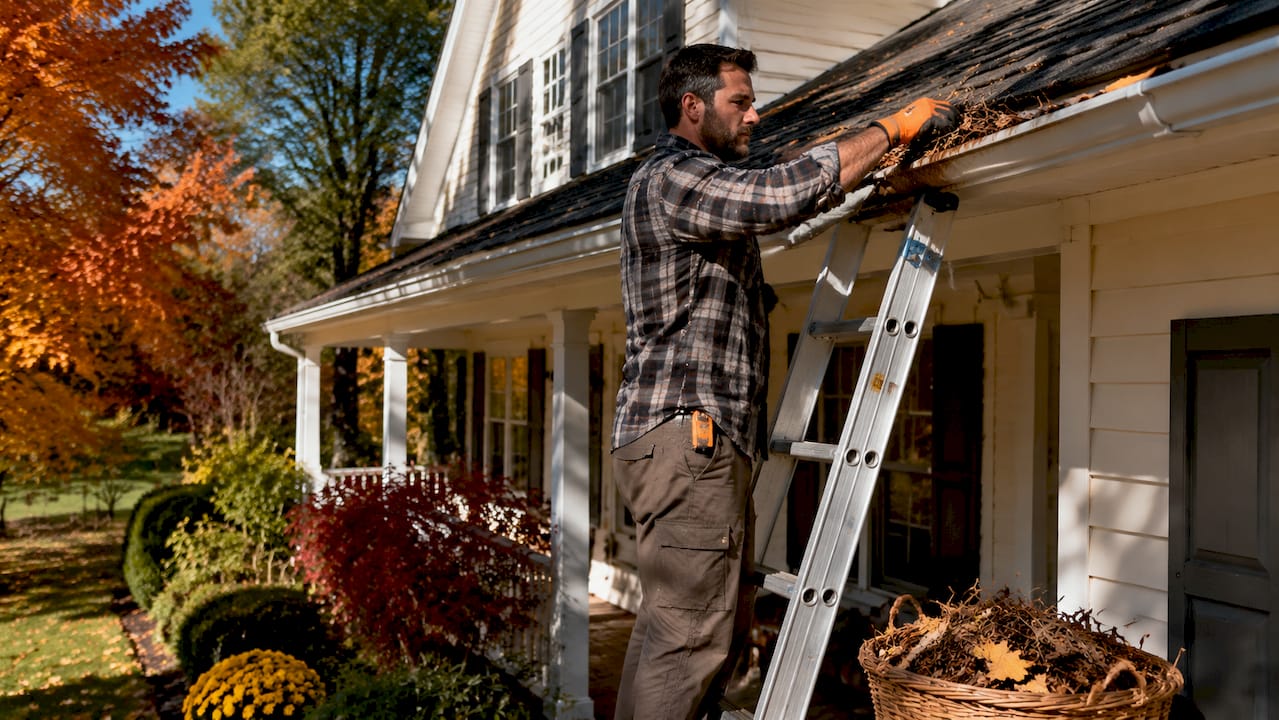
Fall (September through November) is the most consequential maintenance season. Clean gutters after the last leaves drop in your area, typically late October through November depending on your region. Clogged gutters in winter trigger ice dams, which are a leading cause of residential water damage in cold climates. While heat cables get marketed as the fix, improving attic insulation and air sealing is the more effective long-term solution. The U.S. Department of Energy recommends R-38 to R-60 insulation levels depending on climate zone. Re-caulk around vent boots, skylights, and chimney flashings with a silicone or polyurethane sealant rated for freezing temperatures. Standard latex caulk cracks in the cold.
Spring (March through May) is inspection season. Winter leaves behind lifted shingles, cracked caulk, and gutters shifted by freeze-thaw cycles. Catching this damage in April or May, before summer heat accelerates deterioration, can prevent years of premature aging. Schedule a professional inspection to find what ground-level checks miss.
Summer (June through August) calls for ventilation checks. Attic temperatures above 130°F on hot days signal a ventilation problem. Ridge vents and soffit vents should be clear of insulation blockage. Trim overhanging branches that could drop debris or scrape shingles during storms.
Critical seasonal maintenance tasks at a glance:
- Clean gutters twice in fall: once mid-season, once after the last leaves drop
- Inspect and re-caulk all roof penetrations before the first freeze
- Check attic insulation and air sealing every fall
- Remove debris from roof valleys and low-slope areas before winter
- Conduct a spring visual inspection for winter damage
- Verify ridge cap shingles are secure before winter windstorms
- Check attic monthly in winter for frost or moisture on the underside of the deck
Pro Tip: Photograph every inspection, every repair, and every maintenance task with date-stamped images. This documentation supports insurance claims and preserves manufacturer warranties in ways that verbal accounts simply cannot.
How seasonal timing affects material longevity and repair costs
Timing a repair correctly is not just about convenience. It directly affects how long the repair lasts and what it costs.
Asphalt shingles installed outside the 40°F–85°F window risk adhesion failure and potential warranty voidance. Cold-weather brittleness causes shingles to crack during handling; summer heat causes distortion under foot traffic. Either way, you end up with a repair that fails prematurely and a manufacturer warranty that may not cover it.
Permit and inspection timing adds another layer. In high-demand seasons, inspection scheduling backlogs in urban markets can extend 2–4 weeks, compressing the window between permit issuance and required inspection. Weather delays on top of that can push a project past its permit validity period.
Material longevity factors tied to seasonal timing:
- Shingle adhesion quality depends on installation temperature
- Underlayment and flashing sealants cure faster and more completely in moderate, dry conditions
- UV exposure accelerates shingle aging when repairs leave gaps through summer
- Freeze-thaw cycles exploit any unsealed penetration left from a rushed fall repair
- Specialty materials like metal panels, slate, and clay tile have lead times of 3–6 weeks, requiring advance ordering regardless of season
Storm damage, hail, and wind events create urgency that overrides ideal timing. A temporary protective measure under International Building Code (IBC) provisions buys time until conditions allow permanent repair. Delaying an active leak to wait for better weather always costs more in the end.
Professional insights from Exteriorgenie on seasonal repair strategy
Exteriorgenie's 25 years of roofing experience in Lexington, SC, and the broader Southeast translate into a few scheduling principles that most homeowners learn the hard way.
The 6–8 week fall backlog is real and predictable. Waiting until September to book a September repair is already too late. Late July or early August is the target call date for fall projects. For specialty materials like metal panels or slate, add another 3–6 weeks for ordering, which means planning conversations need to start in June.
Winter repairs are feasible but carry trade-offs. Cold temperatures require hand-sealing shingles rather than relying on thermal activation, which adds labor time and cost. Winter work is best reserved for emergencies, not planned replacements. Exteriorgenie offers 24/7 emergency response precisely because storm damage does not wait for April.
Documentation is an underused asset. Exteriorgenie's HAAG-certified inspectors produce inspection reports that hold up with insurance adjusters. Keeping those reports alongside dated maintenance photos creates a paper trail that can mean the difference between a paid claim and a denied one. For property managers overseeing multiple buildings, a commercial roof maintenance checklist tied to seasonal inspection cycles is the most reliable way to stay ahead of repairs.
Pro Tip: Build a two-week weather buffer into any fall repair schedule. OSHA 29 CFR 1926 Subpart R governs fall protection on roofing jobs year-round, and cold snaps or early frost can halt work mid-project. Flexibility in your timeline prevents a weather delay from becoming a winter problem.
Exteriorgenie's insider scheduling tips:
- Call contractors by late July for fall projects
- Order specialty materials at least 6 weeks before your target installation date
- Reserve winter repairs for active leaks and storm damage only
- Keep dated inspection photos for every season
- Confirm permit requirements and inspection windows before scheduling
How to plan and schedule roof repairs around seasonal timing
Planning a repair is a logistics problem as much as a technical one. The 2–3 month advance contact rule applies especially to fall projects, when contractor schedules fill fastest. For spring work, contact in January or February to get ahead of the post-winter rush.
When urgency overrides ideal timing, use temporary protective measures. The IBC permits tarps and approved roofing tape as stopgap protection under documented emergency conditions. Get the permanent repair scheduled as soon as weather allows. An active leak that sits through a season of rain or snow compounds structural damage fast.
Practical scheduling tips:
- Contact contractors 2–3 months before your target season
- Build weather flexibility into your timeline, especially for spring
- Confirm permit requirements and inspection lead times with your local building department
- Order specialty materials as soon as you have a contractor commitment
- Review roofing financing options early so budget approval does not delay scheduling
- For tips on hiring a contractor efficiently, compare at least three estimates before committing
Advantages and disadvantages of winter roof repairs
Winter repairs are not ideal, but they are sometimes the only option. Here is what to expect.
Advantages: Contractor availability is higher in winter than any other season. Shorter wait times and potentially lower prices reflect the reduced demand. For a homeowner facing an active leak after a December storm, that availability matters.
Disadvantages: Cold temperatures prevent normal shingle sealant activation, requiring hand-sealing techniques that add labor cost and time. Shorter daylight hours mean a three-day summer job can stretch to five or six days in December. Snow and ice create safety hazards under OSHA construction standards and can cause additional delays. Most manufacturers recommend against installation below 40°F, and work done outside those specs risks voiding the warranty.
The bottom line: winter repairs are absolutely doable with an experienced contractor, but plan them only when the damage cannot wait.
Tips for choosing roofing materials for different seasons
Material choice and repair timing are connected. Not every product performs the same way across seasons.
Asphalt shingles are the most temperature-sensitive common material. They need the 40°F–85°F window for proper adhesion. They are the right choice for most residential applications but require the tightest seasonal scheduling.
Metal roofing tolerates a wider temperature range and expands and contracts with temperature fluctuations without losing integrity. It is a strong option in climates with extreme seasonal swings, though it still requires dry conditions for fastening and sealant work. For southern US climates, choosing a roofing contractor familiar with heat-specific installation practices matters as much as the material itself.
Single-ply membranes (TPO, EPDM, PVC) are common on low-slope commercial roofs. TPO and PVC heat-welded seams need ambient temperatures above 35°F. EPDM adhesive systems generally require above 45°F for full-contact adhesive to cure. Both are more forgiving than asphalt in cold weather but still have limits.
Slate and clay tile are the most weather-resilient options long-term, but their 3–6 week lead times make seasonal planning non-negotiable. Order early, or the material arrives after your weather window closes.
For any material, check the manufacturer's installation temperature specifications before scheduling. Deviating from those specs can void the warranty and trigger inspection failures on permitted work.
Exteriorgenie brings 25 years of seasonal roofing expertise to your project
Roof repair timing decisions carry real financial consequences. A repair done in the wrong season with the wrong technique can void a warranty, fail an inspection, or simply fail the roof.

Exteriorgenie is a veteran-owned roofing company based in Lexington, SC, with 25 years of experience navigating exactly these decisions for homeowners and property managers across the Southeast. HAAG-certified inspectors handle insurance claim documentation from the first inspection through final settlement. Emergency roof repair services run 24/7 because storm damage does not respect the calendar. Transparent pricing and flexible financing options mean you can act when the timing is right, not just when the budget happens to align. Contact Exteriorgenie to schedule your seasonal inspection and get your repair on the calendar before the fall backlog fills.
Key Takeaways
Timing your roof repair within the 40°F–85°F temperature window, booking contractors by late July for fall projects, and maintaining seasonal documentation protects both your roof and your warranty.
| Point | Details |
|---|---|
| Optimal temperature window | Asphalt shingles require 40°F–85°F for sealant activation; outside this range, adhesion fails. |
| Book fall repairs early | Contractor backlogs of 6–8 weeks in September–October mean late July is the target call date. |
| Specialty material lead times | Metal panels, slate, and clay tile require 3–6 weeks of lead time, so order before your window opens. |
| Winter repairs: emergencies only | Hand-sealing adds cost and time; reserve winter work for active leaks and storm damage. |
| Exteriorgenie | Veteran-owned, HAAG-certified, with 24/7 emergency service and insurance claim support in Lexington, SC. |