
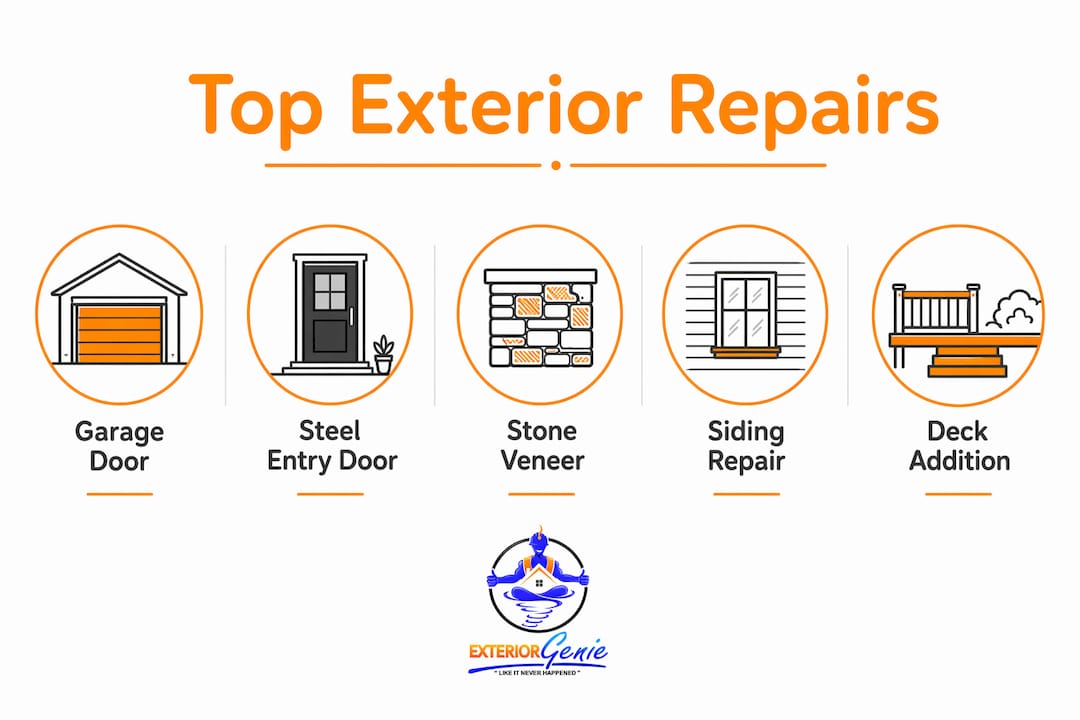
The exterior repairs that most reliably increase home value before a sale are, in order of resale payback: garage door replacement, steel entry door, manufactured stone veneer, targeted siding repair or fiber-cement replacement, roof repair (or replacement if near end-of-life), window replacement where energy loss or visible damage exists, and a deck or patio refresh. Three of the top five highest-ROI projects nationally are things buyers see before they step inside. The National Association of Realtors consistently confirms that curb appeal drives first impressions, and first impressions drive offers.
The 30-second action plan before you list:
- Fix every piece of deferred maintenance (roof leaks, rotten trim, broken gutters) — these trigger inspection credits that cost you more than the repair.
- Run through the low-cost curb-appeal checklist: pressure-wash, fresh paint, tidy landscaping, new door hardware.
- Pick one targeted high-ROI upgrade from the list above that fits your budget and timeline.
The rest of this guide covers exact cost ranges, typical timelines, when to DIY versus hire a licensed pro, and a contractor checklist you can use on your first call.
Table of Contents
- 1. Which exterior repairs give you the highest resale ROI?
- 2. Budget-friendly curb appeal wins you can do quickly before listing
- 3. Costs, timelines, and ROI at a glance
- 4. When should you DIY, and when do you need a pro?
- 5. Maintenance repairs versus cosmetic upgrades — what to fix first
- Key Takeaways
- The part most sellers get wrong
- Exteriorgenie handles the roof work so you can focus on selling
- Sources and further reading
1. Which exterior repairs give you the highest resale ROI?
Buyers form an opinion of a home before they walk through the door. That psychological reality is why exterior projects dominate every national ROI ranking, and why a $4,000 garage door can outperform a $50,000 kitchen remodel on a percentage basis.
Garage door replacement
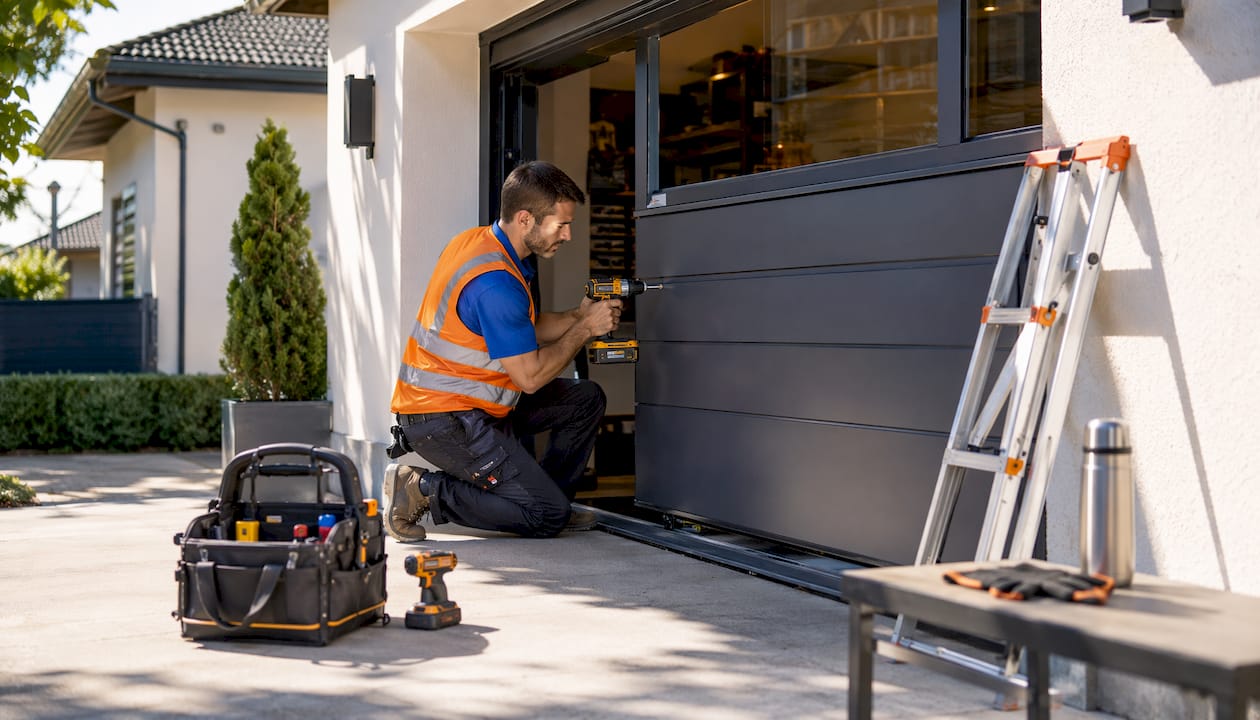
A new garage door is the single highest-ROI exterior project in most U.S. markets. Zonda's Cost vs. Value Report puts the cost at roughly $4,000–$4,700 with ROI figures ranging from 194% to 268% depending on the market. On many homes, the garage door covers up to 30% of the front facade — a dented or faded door drags down the whole street view, and replacing it is one of the fastest fixes available.
Steel entry door replacement
At $2,000–$2,500 installed, a steel entry door is one of the cheapest projects on any ROI list and one of the highest-returning, at 188% ROI in national data. It improves security, energy efficiency, and visual appeal in a single afternoon's work.
Manufactured stone veneer
Replacing a section of vinyl siding with manufactured stone veneer, typically the bottom third of the front facade or around the entryway, averages 153% ROI at a cost of roughly $10,000–$11,000. Stone signals permanence and quality to buyers without requiring a full exterior renovation.
Siding repair or fiber-cement replacement
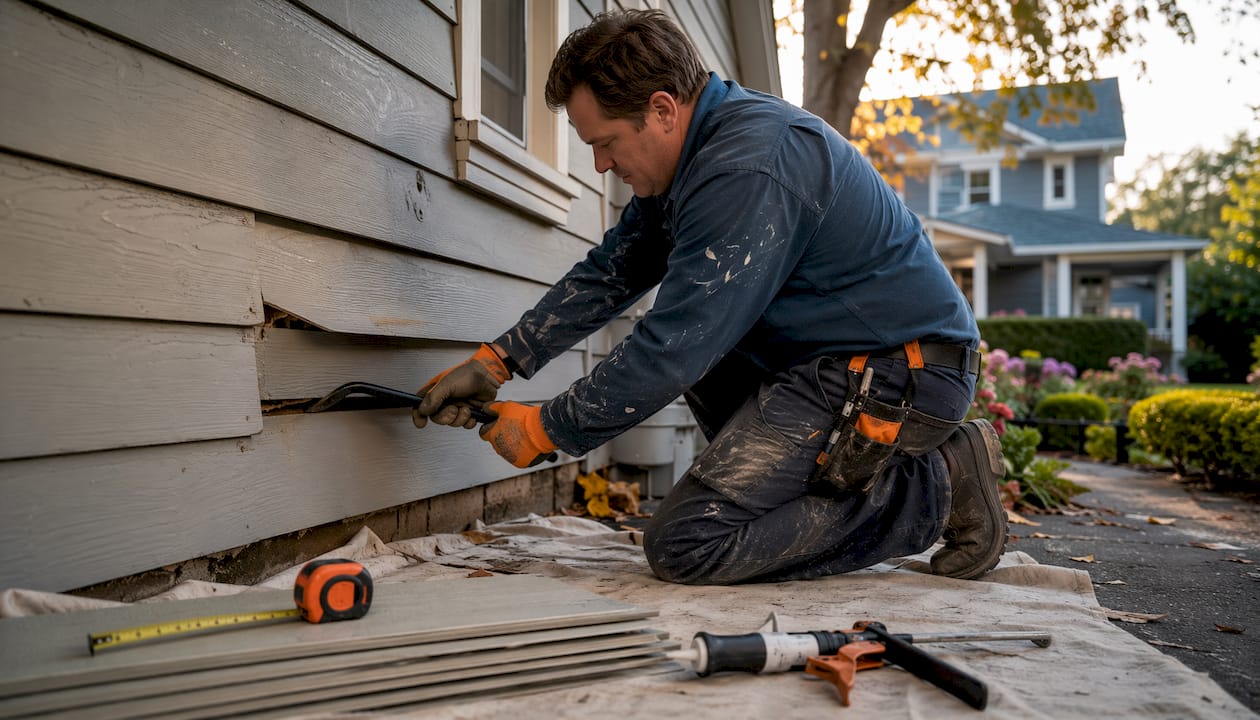
Cracked, warped, or faded siding is one of the first things a buyer's agent flags. Targeted repairs are cheap and remove a major objection. Full fiber-cement siding replacement costs more ($12,000–$20,000 depending on square footage) but adds substantial perceived value and durability buyers can verify.
Roof repair versus replacement
Roof condition is a deal-breaker for many buyers and most lenders. If your roof has five or more years of life left, a professional inspection and targeted repairs are usually sufficient. If it's near end-of-life, a full replacement before listing is worth considering — though ROI on full replacement is variable and region-dependent, so get a local agent's read before committing. Timing matters: roofing work needs dry weather, so plan accordingly relative to your listing date.
Window replacement
New windows carry a moderate ROI (typically 65–75% nationally), but they matter most when existing windows show visible damage, condensation between panes, or significant energy loss. ENERGY STAR-certified windows add a verifiable efficiency claim that resonates with buyers in energy-cost-conscious markets.
Deck or patio addition
Outdoor living space has grown in buyer priority. A wood deck addition typically returns 50–70% of cost; composite decking costs more upfront but requires less maintenance, which buyers increasingly factor in. If you already have a deck, a refinish or board replacement is a low-cost way to remove a visible objection.
One rule to keep in mind: avoid over-improving for your neighborhood. Every dollar you spend on exterior upgrades should be measured against what comparable homes in your area have sold for. The goal isn't the nicest house on the block — it's removing objections and adding perceived value within the market ceiling.
| Project | Typical Cost Range | Typical Resale Value Added | Approx. ROI |
|---|---|---|---|
| Garage door replacement | $4,000–$4,700 | $12,000–$20,000 | 194%–268% |
| Steel entry door | $2,000–$2,500 | $4,000–$4,700 | 188% |
| Manufactured stone veneer | $10,000–$11,000 | — | 153% |
| Fiber-cement siding replacement | $12,000–$20,000 | $10,000–$11,000 | 65%–80% |
| Roof replacement | $10,000–$11,000 | Varies by market | Variable |
| Window replacement | — | $10,000–$11,000 | 65%–75% |
| Deck addition (wood) | — | $10,000–$11,000 | 50%–70% |
ROI figures sourced from Zonda Cost vs. Value Report and Opendoor ROI rankings. Regional variance applies.
2. Budget-friendly curb appeal wins you can do quickly before listing
Not every value-adding move costs five figures. Some of the most effective pre-listing exterior improvements cost a few hundred dollars and a weekend.
- Pressure-wash everything. Driveways, walkways, siding, and the front porch. A clean exterior reads as a maintained home. Rental units run $50–$100/day; a pro service typically costs $150–$400.
- Fresh exterior paint or targeted touchups. A full professional paint job runs $3,000–$7,000 and can recoup 100% or more of its cost according to HomeLight agent surveys. At minimum, touch up peeling trim, shutters, and the front door.
- New mailbox and house numbers. A $40–$80 swap that buyers notice in listing photos.
- Updated exterior lighting. Porch and pathway lights in a cohesive finish (brushed nickel, matte black) cost $100–$300 in fixtures and signal attention to detail.
- Door hardware. A new lockset, knocker, and kick plate on the front door cost under $150 and look sharp in photos.
- Landscaping refresh. Fresh mulch, trimmed hedges, defined bed edges, and seasonal plantings. A landscaping cleanup can boost perceived value by 5%–12% for a typical spend of $500–$3,000.
- Clean gutters and downspouts. Overflowing gutters signal neglect and can indicate water-intrusion risk to buyers. A pro cleaning runs $100–$250.
- Power-wash the driveway and walkways. Oil stains and moss are buyer objections that cost almost nothing to fix.
- Seasonal plantings at the entry. A pair of potted plants flanking the front door costs $30–$80 and photographs well.
Pro Tip: Schedule landscaping and planting two to three weeks before your listing photos, not the day before. Plants need time to settle and fill in. Freshly installed sod or mulch that looks rushed reads as a last-minute cover-up to experienced buyers.
Pest issues hiding under mulch or in exterior wood can surface during a buyer's inspection and create last-minute objections. Before you refresh the beds, it's worth having a pest inspection completed so you're not surprised at closing.
3. Costs, timelines, and ROI at a glance
| Project | Typical Cost Range | Typical Timeline | Disruption | Approx. ROI |
|---|---|---|---|---|
| Garage door replacement | $4,000–$4,700 | 1 day | Low | 194%–268% |
| Steel entry door | $2,000–$2,500 | 1 day | Low | 188% |
| Manufactured stone veneer | $10,000–$11,000 | 1–2 weeks | Medium | 153% |
| Fiber-cement siding | $12,000–$20,000 | 1–3 weeks | High | 65%–80% |
| Vinyl siding refresh | $3,000–$7,000 | 3–7 days | Medium | 60%–75% |
| Roof repair | $500–$3,000 | 1–2 days | Low | High (prevents credits) |
| Roof replacement | $10,000–$11,000 | 3–7 days | Medium | Variable |
| Window replacement | — | 2–5 days | Medium | 65%–75% |
| Deck addition (wood/composite) | — | 2–4 weeks | High | 50%–70% |
| Exterior paint | $3,000–$7,000 | 3–7 days | Low | ~100% |
| Landscaping refresh | $500–$3,000 | 1–3 days | Low | 5%–12% perceived value |
A note on permits and seasonal timing: Roofing, siding, and stone veneer work generally requires fair-weather windows — plan for spring through early fall in most U.S. regions. Structural deck additions and window replacements affecting egress typically require a permit; check with your local building department before scheduling. Unpermitted work discovered during a buyer's inspection can delay or kill a closing.
The 2026 Cost vs. Value data confirms a consistent pattern: small exterior projects return a higher percentage than large interior remodels. A garage door at $4,000 with 194%+ ROI outperforms a $75,000 primary suite addition on a percentage basis because the cost base is small relative to the perceived value gain.
4. When should you DIY, and when do you need a pro?
The short answer: DIY for cosmetic surface work, hire a licensed contractor for anything structural, waterproofing-critical, or permit-required.
Safe DIY territory:
- Pressure-washing siding, driveways, and decks
- Exterior paint touchups and trim painting
- Replacing door hardware, house numbers, and mailbox
- Small landscaping: mulching, bed edging, seasonal planting
- Minor wood trim repairs (small sections, no structural rot)
- Gutter cleaning
Hire a licensed pro for:
- Roof repair or replacement (safety, warranty, and insurance implications)
- Structural siding replacement
- Window installation affecting egress or waterproofing
- Major exterior electrical work (pathway lighting on new circuits, security systems)
- Deck structural work and ledger attachment
- Any work requiring a permit
For hidden structural issues like exterior wood rot, a pro assessment is worth the cost before you start cosmetic work on top of a problem that will surface at inspection anyway.
Contractor hiring checklist
Before you sign anything, confirm the following:
- State contractor's license (verify with your state licensing board)
- General liability insurance and workers' compensation coverage
- HAAG certification or equivalent for roof and storm-damage inspections
- At least three verifiable local references from similar projects
- Written estimate with full scope, materials spec, and timeline
- Manufacturer and workmanship warranty details in writing
- Lien waiver provided at final payment
- Payment schedule tied to project milestones, not upfront lump sums
Ten questions to ask on the first call
- Are you licensed and insured in South Carolina (or your state)?
- Do you carry workers' compensation for your crew?
- Are any parts of this job subcontracted, and if so, to whom?
- What specific materials will you use, and can I see the product specs?
- What does the warranty cover, and who backs it — you or the manufacturer?
- How do you handle unexpected damage discovered mid-project?
- Will you pull the required permits, and who is responsible if an inspection fails?
- What is your payment schedule, and do you provide a lien waiver at completion?
- Can you provide three recent local references I can call?
- What is your timeline, and what could delay it?
For a deeper contractor vetting checklist, Exteriorgenie's blog covers the full process, including red flags to watch for during the estimate phase.
5. Maintenance repairs versus cosmetic upgrades — what to fix first
The single most common seller mistake is skipping deferred maintenance to spend money on cosmetic upgrades. A fresh coat of paint over rotting trim doesn't fool a home inspector, and it won't fool a buyer's agent either.
Maintenance repairs are the defensive layer: roof leaks, rotten siding, broken gutters, cracked foundations, and any safety or structural issue. These aren't optional before listing. Homes with visible exterior problems can sell for 5%–10% less than comparable properties and sit 30–60 days longer on market. Deferred maintenance compounds: a missing shingle leads to a water-intrusion problem, which leads to a structural repair, which leads to a major appraisal adjustment.
Cosmetic upgrades are the offensive layer: new door, fresh paint, stone veneer, updated landscaping. These add perceived value on top of a sound foundation. They work. But they don't substitute for fixing what's broken.
Completing repairs before listing is consistently more cost-effective than offering post-inspection credits. Buyers and their agents inflate credit requests to account for the hassle and uncertainty of managing repairs themselves.
Pro Tip: Industry guidance puts the math this way: every $1 spent fixing a visible exterior problem prevents roughly $3–$5 in buyer negotiation concessions at closing. A $600 gutter repair that prevents a $2,500 inspection credit is not optional maintenance — it's a return on investment.
The prioritization framework
Apply this sequence before you list:
- Safety and structural repairs first. Anything a lender, appraiser, or inspector will flag: roof condition, structural siding, broken steps, electrical hazards. No exceptions.
- Low-cost curb-appeal wins second. Pressure-wash, paint touchups, landscaping, lighting, hardware. High perceived value, low spend.
- One targeted high-ROI upgrade third, if budget allows. Garage door, steel entry door, or stone veneer. Pick one that fits your price point and neighborhood comparables.
Addressing hidden hazards like termites or wood-boring insects before you start cosmetic work is part of step one. A professional pest control assessment before listing can prevent a last-minute renegotiation when the buyer's inspector finds what you missed.
For a full primer on what exterior repairs actually involve and how to scope them, the homeowner's guide to exterior repair from Exteriorgenie's blog is a practical starting point.
Key Takeaways
Exterior repairs that increase home value follow a clear priority order: fix deferred maintenance first, add low-cost curb appeal second, and invest in one targeted high-ROI upgrade third.
| Point | Details |
|---|---|
| Garage door leads ROI | At $4,000–$4,700, garage door replacement returns 194%–268% — the top-ranked project nationally. |
| Fix maintenance before upgrades | Deferred exterior maintenance can reduce sale price by 5%–10% and extend days on market by 30–60 days. |
| Low-cost wins add up fast | Landscaping, pressure-washing, and paint touchups cost $500–$3,000 and can boost perceived value by 5%–12%. |
| Repairs prevent concessions | Every $1 spent fixing visible exterior problems prevents roughly $3–$5 in buyer negotiation concessions at closing. |
| Exteriorgenie for roof and storm work | Exteriorgenie's HAAG-certified inspectors handle roof repair, storm damage, and insurance claims for homeowners in Lexington, SC preparing to sell. |
The part most sellers get wrong
Most sellers I talk to have the sequence backwards. They want to know which upgrade will add the most value, and they're already thinking about stone veneer or a new deck before they've walked the perimeter with fresh eyes. The garage is peeling. The gutters are pulling away from the fascia. There's a soft spot on the front porch they've been stepping around for two years.
Buyers notice all of it. Their agents photograph it. Their inspectors document it. And then the seller is negotiating from a weakened position on a house they just spent $15,000 upgrading.
The data from the Cost vs. Value Report and agent surveys is consistent: exterior projects dominate ROI rankings not because they're glamorous, but because they address what buyers see first and what lenders and appraisers flag most often. A $4,000 garage door beats a $40,000 primary suite addition on ROI because it solves a real buyer objection at a fraction of the cost.
The other thing sellers underestimate is contractor selection. A documented warranty, a HAAG-certified inspection report, and clear material specs don't just protect you during the project — they speed closing. Buyers and their agents are more confident when the work comes with paper behind it. That confidence translates to fewer last-minute renegotiations.
Fix what's broken. Do the cheap stuff. Then pick one upgrade that fits your market. That sequence works.
Exteriorgenie handles the roof work so you can focus on selling
When your roof is the problem standing between you and a clean listing, Exteriorgenie is the call to make. As a veteran-owned roofing company with 25 years of experience and HAAG-certified inspectors on staff, Exteriorgenie handles emergency roof repair, storm and wind damage repair, and personalized insurance claim assistance for homeowners in Lexington, SC.

If cost is the barrier, roofing financing options are available so you can address the repair before listing without waiting on insurance timelines. Transparent pricing, written estimates, and 24/7 emergency availability mean you're not left guessing on scope or cost. Schedule a roof inspection with Exteriorgenie before you list — it's the fastest way to know exactly what you're working with and what it will take to get your home ready for sale.
Sources and further reading
The ROI figures and cost ranges in this article draw from the following primary sources:
- Zonda Cost vs. Value Report (38th Annual) — national ROI rankings for exterior and interior remodeling projects: prnewswire.com
- Opendoor: Which Home Improvements Increase Value Most? — project-by-project ROI breakdown and buyer psychology: opendoor.com
- HomeCostLab: 2026 Cost vs. Value Report Summary — exterior project ROI patterns and regional variance: homecostlab.com
- Dreamden: What Happens to Your Home's Value When You Ignore Exterior Maintenance — deferred maintenance impact on sale price and days on market: dreamden.ai
- Zillow: Exterior Home Improvements Guidance — pre-listing repair strategy and inspection credit logic: zillow.com
- ENERGY STAR: Windows and Doors — efficiency claims and buyer-facing certifications: energystar.gov
- Exteriorgenie Blog: Contractor Hiring Tips — full contractor vetting checklist and red flags: exteriorgenie.com
- Exteriorgenie Blog: Roof Repair vs. Replacement — practical guidance for homeowners deciding between repair and full replacement: exteriorgenie.com
For regional Cost vs. Value data specific to your market, Zonda publishes city-level breakdowns at remodeling.hw.net — worth checking before committing to a high-cost project in a market where the national average may not apply.