
Vetting local roof repair companies is defined as the structured process of verifying contractor credentials, reviewing customer feedback, and evaluating service quality before signing any agreement. After a storm tears through your neighborhood, the pressure to hire fast is real, but speed without scrutiny is how homeowners end up with unlicensed crews, voided warranties, and repairs that fail the next season. The industry term for this process is contractor due diligence, and it covers everything from license verification to understanding what a manufacturer certification like GAF Master Elite or Owens Corning Platinum actually guarantees. This guide gives you a repeatable framework to identify the best roof repair services in your area without getting burned.
How to vet local roof repair companies: credentials first
Before you call a single contractor, you need a non-negotiable checklist of credentials. Skipping this step is the most common and costly mistake homeowners make after storm damage.
Licensing is your baseline. Every legitimate local roofing contractor holds an active license issued through your state or municipality. You can verify this through your county's contractor licensing board or municipal records database. An unlicensed roofer cannot pull permits, which means your repair is technically illegal and may void your homeowner's insurance coverage.
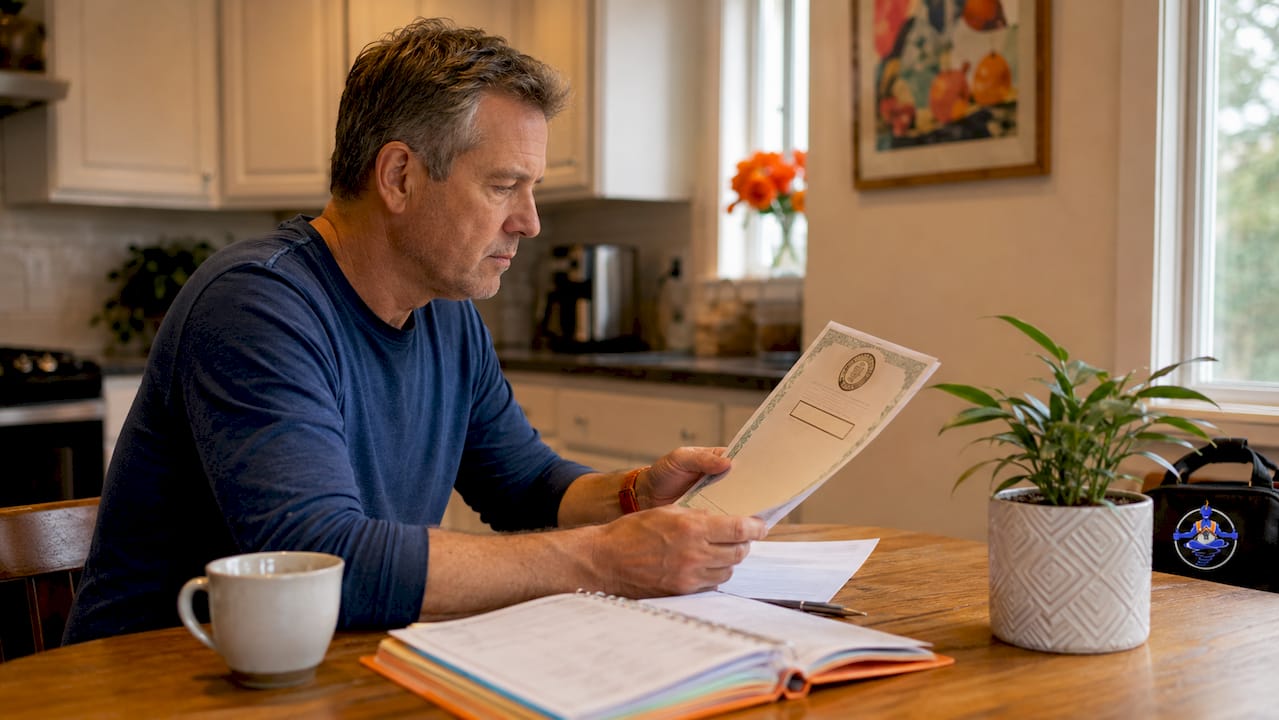
Manufacturer certifications separate average contractors from the top rated roof repair companies in any market. Certifications from GAF, Owens Corning, or CertainTeed require contractors to meet installation standards, maintain insurance minimums, and complete ongoing training. A GAF-certified contractor can offer extended material warranties that uncertified roofers simply cannot provide.
Proof of insurance means two separate documents: a general liability policy and a workers' compensation certificate. Request both before any crew sets foot on your property. If a worker falls and the contractor carries no workers' comp, you are liable. That is not a hypothetical. It happens every year.
Local physical presence matters more than most homeowners realize. A contractor with a local office, a known address, and familiarity with your municipality's permit timelines is far less likely to disappear after collecting a deposit.
- Active state or municipal contractor license (verify through public records)
- GAF Master Elite, Owens Corning Platinum, or CertainTeed SELECT ShingleMaster certification
- Current general liability insurance certificate (minimum $1 million coverage)
- Active workers' compensation policy covering all crew members
- Documented experience pulling permits in your specific municipality
Pro Tip: Ask each contractor to email you their license number and insurance certificates before the first visit. Any hesitation is a red flag. Legitimate companies send these documents within minutes because they keep them current.
How do you build a shortlist of reliable local contractors?
Professional vetting involves shortlisting three to five consistent companies and cross-checking their credentials across multiple platforms. Starting with ten or fifteen names and narrowing down is far more reliable than calling the first result on Google.
Here is a proven sequence for building that shortlist:
- Search Google, Yelp, and the Better Business Bureau simultaneously. Look for contractors with at least 30 reviews and a rating above 4.2 stars across all three platforms. Consistency across platforms is the signal. A company with 200 five-star reviews on Google but a C rating on BBB has unresolved complaints worth investigating.
- Ask neighbors and local community groups. Nextdoor and neighborhood Facebook groups surface real post-repair experiences. A neighbor who had their roof repaired six months ago can tell you whether the crew showed up on time, cleaned up debris, and followed through on warranty calls.
- Request references from recent local projects. Ask each contractor for two or three homeowners in your zip code who had similar repairs done in the past 12 months. Call those references and ask one specific question: "Did anything go wrong, and how did the company handle it?"
- Check for unresolved BBB complaints. A single complaint that was resolved professionally is not disqualifying. Multiple unresolved complaints about billing disputes or incomplete work are.
- Verify their online presence is consistent. A contractor with a professional website, active social media, and a Google Business profile with recent photos is invested in their local reputation. A contractor with only a phone number and no verifiable address is not.
Pro Tip: Watch for pressure tactics during the first call. Phrases like "this price is only good today" or "we're already in your neighborhood" are classic storm-chaser signals. Reputable local roofing contractors give you time to compare estimates because they are confident in their work.
What should you look for when comparing roofing quotes?
Comparing estimates is where most homeowners make their second major mistake: choosing the lowest number without understanding what it includes. Low bids often mean corners are cut with inferior materials or missing permits, which creates insurance and resale problems down the line.
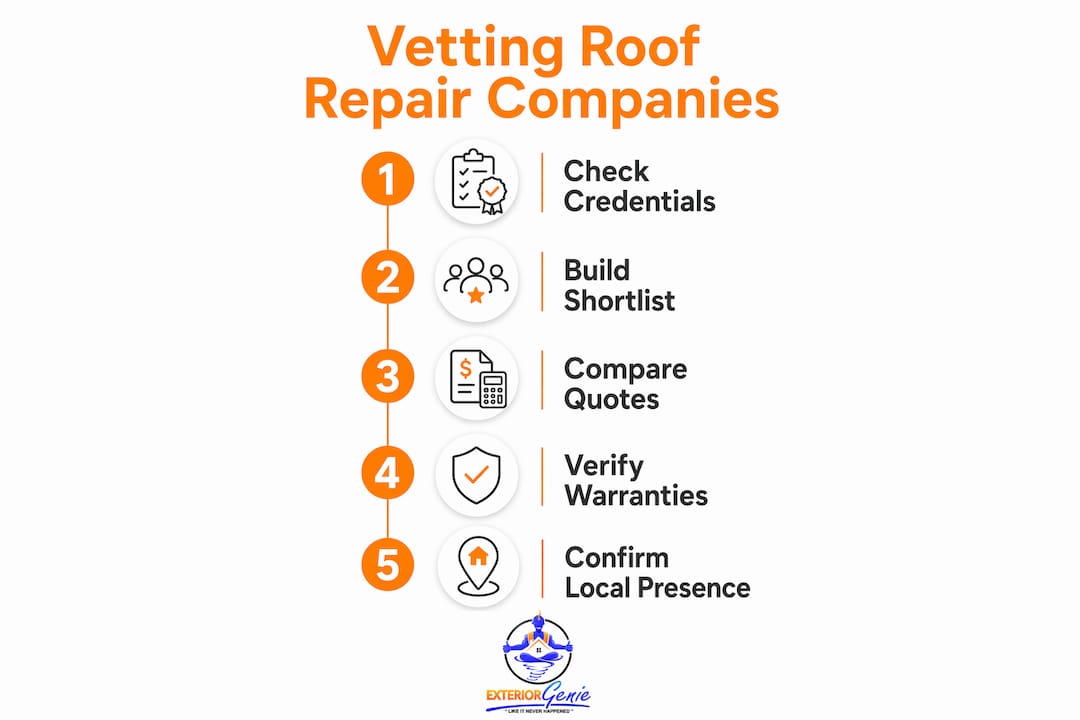
A trustworthy estimate is itemized. It lists materials by brand and grade, labor costs broken out by task, permit fees, disposal costs, and the scope of work in plain language. If an estimate is a single line item with a total price, that contractor is hiding something.
| What to compare | Red flag | Green flag |
|---|---|---|
| Estimate format | Single lump sum, no breakdown | Itemized by material, labor, and permits |
| Repair vs. replacement | Recommends full replacement without inspection | Confirms actual damage scope before recommending |
| Damage documentation | Verbal description only | Video documentation of damage cause provided |
| Warranty coverage | No written warranty offered | Separate workmanship and material warranties in writing |
| Communication | Slow to respond, vague answers | Same-day responses, clear written answers |
Repair and replacement estimates are fundamentally different documents and should never be mixed. A contractor who quotes a replacement when you need a repair is either incompetent or dishonest. Before accepting any estimate, confirm that the contractor has physically inspected the damage and documented it. The best contractors use video evidence of the damage cause, which also strengthens your insurance claim.
Warranties deserve their own scrutiny. Workmanship warranties cover installation errors and typically run one to ten years depending on the contractor. Material warranties come from the manufacturer and can run 25 to 50 years, but only when installed by a certified contractor. Honest contractors prioritize repairs over upselling replacements and provide no-pressure inspections that build long-term trust.
Typical residential roof repairs range from $350 to $7,000 depending on damage severity and materials. Minor shingle replacements usually fall between $400 and $800. That range tells you that a $200 bid and a $9,000 bid for the same repair both warrant serious questions.
What makes a local roofing company dependable in an emergency?
Emergency responsiveness separates genuinely dependable local roofing contractors from companies that are simply good at marketing. After a storm, every hour of delay allows water to penetrate deeper into your roof deck, insulation, and ceiling structure.
Emergency roof repair contractors can guarantee tarping onsite within one to two hours of your call to prevent costly secondary damage. Secondary damage from delayed response, including mold growth and structural decay, can escalate repair costs into the tens of thousands. That one to two hour window is not a marketing claim. It is a measurable service standard you should ask about directly before hiring.
- Rapid response guarantee: Ask specifically whether the contractor offers a written commitment to arrive within a defined window after an emergency call.
- 24/7 availability: Storm damage does not follow business hours. A contractor who only takes calls Monday through Friday is not equipped for genuine emergency service.
- Local accountability: Local roofers are more reachable after installation compared to transient or large national chains. A company with a physical office in your community has a reputation to protect and neighbors who will notice if they disappear.
- Code and permit familiarity: Experienced local roofers handle permit timelines efficiently because they have existing relationships with local inspectors. This reduces project delays and eases insurance claim complications.
- Storm-chaser awareness: After major weather events, out-of-state contractors flood affected areas offering fast, cheap repairs. These companies often lack local licenses, carry minimal insurance, and leave before warranty issues surface. Check the signs of emergency damage yourself so you can speak knowledgeably with any contractor who shows up uninvited.
"A roofer physically located in your community has a vested interest in doing the job right the first time. Their next customer might be your next-door neighbor."
For temporary protection while you complete your vetting process, understanding your emergency tarping options can prevent further interior damage while you take the time to choose the right contractor.
Key takeaways
Choosing the right local roofing contractor requires verifying credentials, comparing itemized estimates, and confirming emergency responsiveness before any work begins.
| Point | Details |
|---|---|
| Credentials before contact | Verify active licenses, manufacturer certifications, and insurance before scheduling any visit. |
| Shortlist with evidence | Use Google, Yelp, and BBB together to identify three to five consistent performers with verified references. |
| Itemized estimates only | Reject any single-line-item bid; require material brands, labor breakdown, and permit fees in writing. |
| Emergency response standard | Confirm a written one to two hour on-site guarantee for storm damage situations before signing. |
| Local presence protects you | Contractors with a physical local office are more accountable and reachable for warranty follow-up. |
What I've learned after 25 years of watching homeowners choose the wrong roofer
The most expensive mistake I see homeowners make is not choosing the cheapest contractor. It is choosing the most convincing one. Marketing has gotten sophisticated. A contractor can have a polished website, a stack of five-star reviews, and a slick sales pitch, and still be carrying lapsed insurance and no manufacturer certification.
What I tell every homeowner who asks: the credentials check is not optional, and it takes less than 30 minutes. Call your state contractor licensing board, ask for the insurance certificates by email, and look up the manufacturer's website to verify the certification claim. GAF, Owens Corning, and CertainTeed all have contractor lookup tools on their websites. Use them.
The second thing I have seen consistently is that homeowners undervalue communication style as a vetting signal. A contractor who answers your questions with vague generalities, who cannot explain why they recommend a repair versus a replacement, or who pushes you to sign before you have reviewed the estimate in full is showing you exactly how they will behave when a problem surfaces after the job is done.
Local companies outperform national chains in post-repair support for one simple reason: they live here. Their kids go to school here. Their trucks drive past your house. That accountability is not sentimental. It is structural. When you need a warranty call honored six months after the repair, a local contractor with a community reputation to protect will show up. A national chain's regional office will put you on hold.
One more thing worth saying plainly: the best time to vet a roofing contractor is before you need one urgently. If you are reading this after a storm, you are already under pressure. Do the credential checks anyway. Thirty minutes of verification now is worth far more than months of fighting a bad contractor later.
— Ebben
Exteriorgenie: trusted emergency roof repair in Lexington, SC
When storm damage hits and you need a contractor you can trust without spending days on research, Exteriorgenie delivers. As a veteran-owned company with 25 years of experience serving Lexington, SC, Exteriorgenie brings HAAG-certified inspectors, manufacturer-level credentials, and 24/7 emergency response to every job.

Whether you need emergency roof repair after a severe storm or a thorough assessment of wind or hail damage, Exteriorgenie provides transparent, itemized estimates and personalized insurance claim assistance from start to finish. Their residential roof repair services cover everything from minor shingle repairs to major structural damage, all backed by workmanship warranties and manufacturer-certified materials. Contact Exteriorgenie today for a free inspection and find out why homeowners and businesses across Lexington trust them to get it right the first time.
FAQ
What credentials should I verify before hiring a local roofer?
Verify an active state contractor license through municipal records, proof of general liability insurance, a workers' compensation certificate, and manufacturer certifications from companies like GAF or Owens Corning. These credentials confirm the contractor meets legal, safety, and quality standards.
How many roofing companies should I get estimates from?
Get estimates from three to five shortlisted companies that have passed your credential check. Comparing fewer than three limits your ability to spot outliers, and comparing more than five creates confusion without adding meaningful data.
What does a roof repair typically cost?
Residential roof repairs range from $350 to $7,000 depending on damage severity and materials, with minor shingle replacements typically falling between $400 and $800. Any bid significantly below or above that range for a standard repair warrants a detailed explanation from the contractor.
How do I know if a contractor is a storm chaser?
Storm chasers typically arrive unsolicited after major weather events, pressure you to sign immediately, lack a local physical address, and cannot provide verifiable local references. Ask for a local office address and verify their license in your state before engaging further.
Why does local contractor presence matter for emergency repairs?
Local roofers provide more reliable post-repair support and faster emergency response because they have a community reputation to protect. Contractors based in your area also have established relationships with local inspectors, which speeds up permit approvals and insurance claim processing.